


The Secret to Baking Delicious and Fluffy Cakes

Baking a cake that is both delicious and fluffy can sometimes feel like a mystery. Many home bakers struggle to achieve that perfect texture and taste. The secret lies not only in the technique but also in the choice of cake ingredients and how you handle them. This guide will walk you through the essential steps and tips to help you bake cakes that impress every time.
Understanding the Role of Cake Ingredients in Baking
Every ingredient in a cake recipe plays a specific role. Knowing what each one does can help you make better choices and adjustments.
Flour: Provides structure. Using cake flour or all-purpose flour affects the cake’s texture.
Sugar: Adds sweetness and helps with moisture retention.
Eggs: Bind ingredients and add richness. They also help with leavening.
Butter or Oil: Adds fat, which contributes to tenderness and flavor.
Leavening Agents: Baking powder or baking soda create air bubbles that make the cake rise.
Liquid: Milk, water, or juice hydrates the dry ingredients and activates leavening agents.
Using high-quality cake ingredients is crucial. Fresh, premium ingredients can significantly improve the flavor and texture of your cake. For example, fresh eggs and pure vanilla extract make a noticeable difference.

How to Choose the Best Cake Ingredients for Fluffy Cakes
Selecting the right ingredients is the first step toward baking a fluffy cake. Here are some tips:
Flour Type: Use cake flour for a lighter texture. It has less protein than all-purpose flour, which means less gluten formation and a softer crumb.
Fresh Leavening Agents: Always check the expiration date on baking powder and baking soda. Old leavening agents lose their potency.
Butter vs. Oil: Butter adds flavor but can make cakes denser. Oil keeps cakes moist and tender. For fluffiness, consider using oil or a combination of both.
Eggs at Room Temperature: Cold eggs can cause batter to curdle. Let eggs sit out for 30 minutes before mixing.
Sugar Granule Size: Fine sugar dissolves better, creating a smoother batter and finer crumb.
Using fresh and premium ingredients ensures your cake will rise well and have a tender texture. Remember, the quality of your ingredients directly impacts the final product.

Mastering the Mixing Techniques for Fluffy Cakes
How you mix your ingredients affects the cake’s texture. Here are some mixing tips to keep your cake light and airy:
Creaming Butter and Sugar: Beat butter and sugar together until light and fluffy. This process incorporates air, which helps the cake rise.
Add Eggs One at a Time: This ensures even distribution and prevents the batter from curdling.
Alternate Dry and Wet Ingredients: Add dry ingredients in parts, alternating with liquids. This helps maintain the batter’s structure.
Do Not Overmix: Overmixing develops gluten, making the cake dense and tough. Mix just until ingredients are combined.
Fold in Ingredients Gently: When adding delicate ingredients like whipped egg whites or chocolate chips, fold gently to keep air in the batter.
By mastering these techniques, you can create a batter that bakes into a soft, fluffy cake every time.
Baking Tips to Ensure Your Cake is Perfectly Fluffy
Even with the best ingredients and mixing techniques, baking itself requires attention to detail:
Preheat Your Oven: Always preheat to the correct temperature before baking.
Use the Right Pan Size: Using a pan that is too small or too large affects baking time and texture.
Avoid Opening the Oven Door: Opening the door too early can cause the cake to collapse.
Check for Doneness: Use a toothpick or cake tester inserted in the center. It should come out clean or with a few moist crumbs.
Cool Properly: Let the cake cool in the pan for 10-15 minutes before transferring to a wire rack. This prevents sogginess.
These baking tips help maintain the cake’s structure and moisture, resulting in a fluffy and delicious cake.
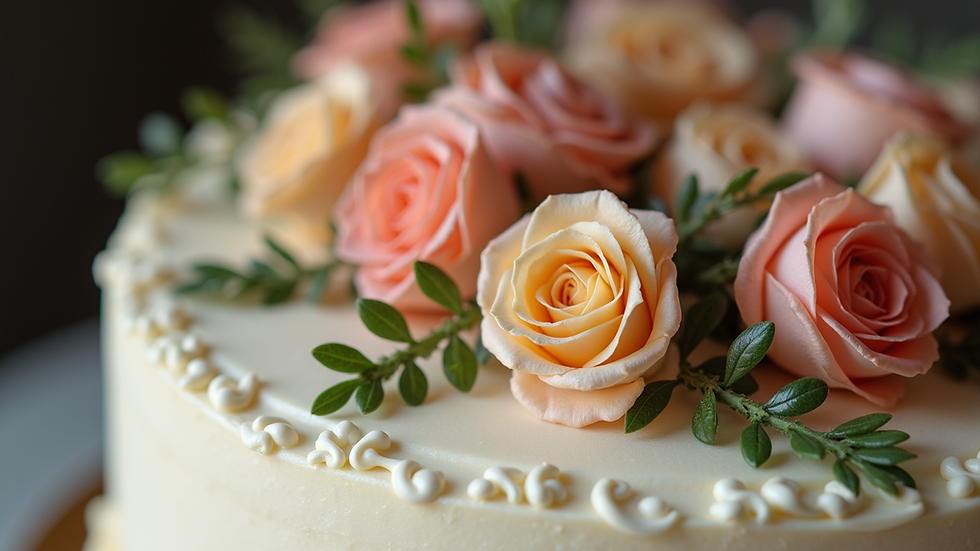
Decorating Your Cake Without Losing Fluffiness
Once your cake is baked perfectly, decorating it is the next step. Here’s how to keep your cake fluffy while adding beautiful finishes:
Use Light Frostings: Whipped cream or buttercream made with softened butter is ideal.
Avoid Heavy Syrups: Too much syrup can make the cake soggy.
Chill Before Frosting: Let the cake cool completely and chill it for 30 minutes to firm up the crumb.
Layer Carefully: When stacking layers, spread frosting evenly to avoid compressing the cake.
Add Fresh Fruits or Nuts: These add texture and flavor without weighing down the cake.
Decorating with care ensures your cake looks stunning and tastes just as light and fluffy as it should.
Baking a delicious and fluffy cake is a rewarding experience that anyone can master with the right knowledge and practice. By focusing on the quality of your ingredients, understanding their roles, mastering mixing techniques, and following baking tips, you can create cakes that delight every time. Remember, the secret lies in the details - from choosing high-quality cake ingredients to gentle mixing and proper baking. Happy baking!


Comments